









Table of Contents
- Eating healthy but not losing weight?
- What Is the SnackWell Effect in Weight Loss?
- Here are the top 10 high-calorie healthy foods to watch out for:
- 1. Smoothies
- 2. Nuts and Nut-Based Spreads
- 3. Protein Bars
- 4. Avocados
- 5. Granola
- 6. Oily Fish
- 7. Full Fat Dairy
- 8. Healthy Oils
- 9. Dried Fruit
- 10. Maida -Free Biscuits
- Final Takeaway: Healthy Does Not Mean Low-Calorie
Eating healthy but not losing weight?
Weight loss is one word every other person seems to be talking about at present. Knowing your enemy is the first step for the average weightloss warrior. These include junk foods, processed foods, empty calories and all the other catchy labels that come associated with high calorie foods. One fine day, you decide to get on a diet and a few weeks down the lane the number on the weighing scale hardly seems to be moving.
You had been eating clean, chose all the healthy foods but results still seemed beyond your reach and you began to ponder “What exactly went wrong?” The chances are that you may have committed the “SnackWell Effect” that a majority of the people who don't understand how calories work.
What Is the SnackWell Effect in Weight Loss?
The SnackWell Effect simply means eating more of foods that are labelled “healthy”. Some of the most nutritious foods can also be a source of high calories and if not portion controlled, it could hamper your weightloss journey.
Here are the top 10 high-calorie healthy foods to watch out for:
1. Smoothies
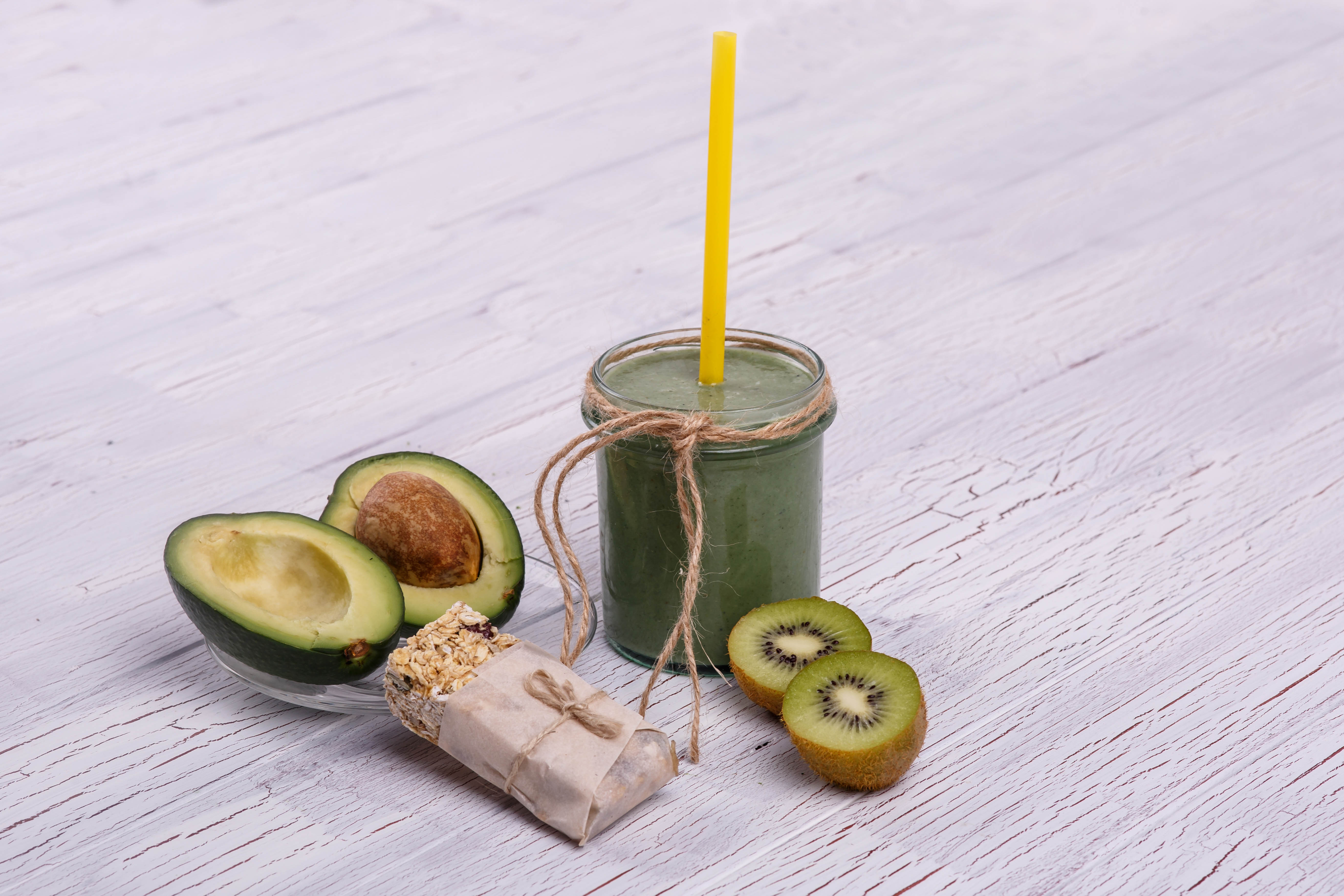
For most people, the word smoothie recalls the image of a post-workout healthy drink designed to keep oneself healthy and energetic. But truth be told, they can turn into calorie bombs if one is not conscious of the quantity of fruits or milk that goes into it. A high calorie smoothie can be gulped down in a matter of seconds and it would still contain the same calories compared to solid foods which take enough time and energy to devour into. Bananas the most commonly used primary ingredient is smoothies. Though it is rich in potassium, 1 medium sized banana has close to 100 calories. A few bananas combined with a cup of whole fat milk (125 calories) and a generous serving of your tasty nut butter could take you into a state of calorie surplus.
2. Nuts and Nut-Based Spreads
Surely nothing can go wrong with your daily dose of nuts, right? Well, though advertised as a source of proteins, in reality 50% of any nut is made up of fats. When 1g of dietary fat packs 9 calories which is twice the calories present in carbs and proteins, mindlessly munching on nuts during tea time or TV time may cause you to gain weight.The same goes for nut butters too. When paired with bread, peanut butter may appear healthier than jam, due to its protein content. But most people do not know that one tablespoon of peanut or almond butter has twice the calories present in jam. This makes portion control, once again, essential for weight loss.
3. Protein Bars
If anything that withstood the test of time, it is that statement that “proteins are the building blocks of the body’ which has proven time and time again to be true. As per the 2015 study conducted by India’s oldest market research company (IMRB), 80% of the Indians are deficient in proteins. Ergo, enter protein bars. With protein content ranging from 8g to 20g, protein bars are marketed as an on-the-go snack which helps fuel your body better. But if present with added sugar for that extra sweetness, it becomes calorie dense as certain brands can go as high as 300 calories.
4. Avocados
Avocados are widely regarded as a rich source of mono-unsaturated fat which is essential for bringing down LDL cholesterol and raising HDL cholesterol values. Although that mitigates the risk of heart diseases, including more of it without keeping your calorie budget in mind will lead to additional calories and may lead to a calorie surplus state. One large avocado alone can add up to 320 calories to your plate. While including a few slices to your salad or to toast is beneficial, consuming large quantities of it can slow down your weightloss journey. Unlike the store brought avocado spreads containing milk solids, sugar and oils which makes it calorie dense, homemade alternatives made from only avocado and lemon juice are low in calories.
5. Granola
Dating back to 1863 when “granula” was first invented by Dr. James Caleb Jackson, it was essentially baked graham flour which had to be soaked to serve. Replacing graham flour with instant rolled oats, the “granola” of today comes with nuts, raisins and honey too. Though the glycemic index of granola finds itself in the moderate range of 55-70, 100g of it packs up to 440 calories. Combined with full fat milk or yoghurt, this food may shoot up your caloric intake sooner than you imagined.
6. Oily Fish
With a coastline of over 11,000 km, 72% of the Indian population consume fish. While it is an affordable source of high-quality proteins, certain types of these fish also come with a higher concentration of fats. Indian Mackerel, sardines, anchovies and the Indian Salmon are among the commonly found Indian fish that are high in healthy fats and if one is ignorant of the calories they provide it will not help lose weight too. Balancing the plate with enough veggies, including high-fatty fish 2-3 times a week and especially tracking your portions are the many ways to ensure you lose weight while eating your favorite seafood.
7. Full Fat Dairy
In a land of over 1.4 billion people, it is estimated that 1 in 3 Indians consumes milk or milk products on a daily basis. Full-fat dairy are those that have not had their natural fat content removed during processing. Unlike low-fat or skim milk, full fat dairy contains about 3.5% milk fat. Where a cup of whole milk has 121 calories, skim milk contains only 52 calories making it popular among all those who cannot give up their refreshing daily tea or coffee to lose weight.
8. Healthy Oils
In a span of 25 years, the annual per-capita household consumption of edible oil has gone up from 8.2kg to 24kg. With numbers like these, the war on oil seems very real. Go to the supermarket and you can find a variety of cooking oils on the shelf. Based on the processing method there are refined oils, unrefined oils and cold-pressed oils. Based on the plant source there are seed oils, nut oils, fruit oils and grain oils. Then there are oils that are high in mono-unsaturated fats, poly-unsaturated fats and saturated fats. Turns out if you examine any cooking oil, the calories present in them are the same. When 1g of fat contains 9 calories, a tablespoon of it packs about 120 calories. This is more than twice the calories present in carbohydrates and proteins which have 4 calories per gram. All cooking oils are 100% fat with no room for carbs, proteins, fiber or even water. If you are not watchful over the number of tablespoons of oil that goes into your cooking bowl, then you could have a hard time losing weight.
9. Dried Fruit
Most fruits are high in water content and have a combination of both soluble and insoluble fiber.
Next to proteins and veggies, fruits provide the most satiety when consumed on its own. It was for the ease of preservation and portability, that the concept of dried fruits originated. Though a storehouse of vitamins and minerals, dried fruits are also high in macronutrients, primarily carbohydrates. Averaging about 300 calories per 100g, dried mulberries, raisins, dates, apricots and figs rank as the most calorie-dense dried fruits.
10. Maida -Free Biscuits
The low availability of fiber and high concentrations of starch makes the traditional maida-based biscuits one of the easiest to overeat. Although multigrain variants are a higher fiber healthier choice, these products also come with added refined sugar and refined oils which still makes it a calorie dense snack. This proves that not every item labelled as “healthy” will give you the desired outcome along your weightloss journey. Owing to their crunchy texture and the fact that it goes well with your evening tea or coffee, one can keep snacking without feeling full.
Final Takeaway: Healthy Does Not Mean Low-Calorie
The key to fat loss is maintaining a calorie deficit while prioritizing nutrient-dense foods in controlled portions. Even healthy foods like nuts, avocados, granola, smoothies, and cooking oils can slow weight loss if eaten in excess.
Nutritious foods are important - but portion control matters just as much.
Before adding a food to your daily routine, ask:
- How many calories does this contain?
- Does it fit into my daily calorie budget?
- Am I eating this mindfully or mindlessly?
Understanding calorie density may be the missing piece in your weight loss journey.